Since I published this post, I can report that I am still using La Roche-Posay’s Toleriane Double Repair line day (with UV) and night, though the cost is now $25 per product. I’ve long since returned from that trip to Japan I mentioned, and published a story for Adventure.com about traditional kominka homes throughout the country’s rural parts, and whether a growing movement to reinvent these abandoned, deteriorating homes into cafes and boutique accommodations will breathe new life into its economy.
In recent years, I have also expanded my skincare arsenal with a couple of products that travel well in any occasion, not just long-haul flights.
When California’s stay-at-home orders were implemented in March, it seemed like we were at peak no-contact, coronavirus vigilance: All but essential businesses like grocery stores and hospitals were permitted to stay open, while everything else–restaurants, gyms, salons, malls–were ordered closed. In response to limiting my (and risking others’) exposure in grocery stores, I thought it would be practical to sign up for a produce delivery service. This is particularly relevant today, several days into California’s latest modified stay-at-home order.
While I have access to a number of worthy produce delivery options in San Diego, I chose Imperfect Foods for their mission to “rescue” misshapen and discolored, or excess fruits and veggies otherwise earmarked for the dumpster. Unfortunately (and rather ironically), as food insecure as the U.S. is, including in San Diego, Americans create a comparable amount of food waste.
And since receiving my first produce box in May, I’ve learned a few things about their goods, and their delivery process that I both enjoy and am more mindful of when I’m meal planning for the week—which doesn’t always happen because I live an obscenely short walk to a Mexican restaurant that makes a tasty California burrito, and easy no-cook dinner option. If you’re considering replacing or supplementing your in-person grocery trips with a grocery delivery service like Imperfect Foods for social distancing reasons or otherwise, I’ve gleaned the following takeaways after shopping and cooking with Imperfect Foods produce for six months that might prove insightful.
How It Works
In brief: Choose from a weekly box template of conventional or organic produce, which is made up of surplus inventory and completely edible, yet “imperfect” fruit and veg. Then, receive an email indicating when it will be time to make your produce selection. Typically, you have several days to edit and confirm your order. Each week, you’ll be able to view what Imperfect Foods has filled your box with, though you can totally remove items from your box, increase the number of existing items; or add new items, including meat (ground beef to pork chops), seafood (like lump crab and trout or salmon fillets), grains (I’ve added wild rice once), and dairy products (including eggs). You can also choose to skip a week as needed, as well as donate a box of produce on occasion, like I did during Thanksgiving week.
Things To Know When You Sign Up for Imperfect Foods
Customization: When available, you can choose to always have certain items delivered (in my case, that’s shallots, avocados, garlic, lemon, and limes). On the other hand, you also have the option to never have a certain item included in your box. Regarding the delivery schedule itself, you do have the option of skipping a week (or weeks) if necessary, which I opt for when I know I won’t be cooking as often. This was the case during summer, when San Diego County reopened some semblance of restaurant dining.
Shelf Life: I’ve learned that produce tends to spoil quicker than produce purchased at the typical grocery store, so I’ve found it helpful to have a plan for them in the several days immediately following my box delivery. Or if I don’t plan to use produce up right away, I’ll chop it up and throw it in the freezer for another time. Conversely, I was surprised that some fruits (such as the red pears, and blueberries when available) lasted a bit longer than expected.
(Free?!) Extra Produce: Occasionally I’ll receive a few extra shallots, avocados, and squash from what I originally ordered. Is it a mistake? Or are they trying to move inventory? Whatever it is, I’m not complaining; though this means I sometimes end up dumping the additional produce because I didn’t have enough time to work it into my weekly meal plan before they spoiled. One week, I unexpectedly received a bunch of slightly withered kale that I did not use because I picked up greens from the grocery store just days before. As efficient as I try to be with the food I bring into the house, sometimes waste does happen.
Edible Things I’ve Made So Far With Imperfect Foods:
Bon Appetit’s carrots with avocado and mint as a side dish to baked chicken
Pears with peanut butter and cinnamon snack
Green goddess (shallot) kale salad with sweet potato, avocado, pepitas
Hot chocolate with oat milk and cacao powder
I doctored store-bought marinara with summer squash, shallots, mushrooms
Guacamole using limes + avocados (which were smaller than what the grocery stores usually stock)
Sinigang, a tangy Filipino stew traditionally flavored with tamarind, using kabocha squash
Connect with The Curious Passport
Keep up with my real-time travels and eats from San Diego and beyond on Instagram
Weekend Reads is a weekly-ish series of new and old articles I’ve enjoyed reading around the web about travel, food, and wellness. For more brain snacks, read past Weekend Reads posts.
While researching a possible story about Reiki, the ancient Japanese practice of healing touch, I skirted down many adjacent rabbit holes reading the following stories. While it took me off my research track for a bit, maybe I wasn’t that far off.
The Law of Least Effort
“Conventional wisdom tells you not to give up—ever, no matter what. But people tell you all the time that good things tend to happen when you stop trying so hard to make them happen.” I’ve heard this piece of advice in many ways and by different people within my circle and not, and lately, it has helped to keep me motivated as I attempt to create a sustainable career out of this freelance writing thing. This entire article, published on Medium*, is packed with insights, and will challenge you to define for yourself the difference between giving up and persevering. As the author writes, “The law of least effort is more than a productivity hack.”
Forest Bathing and Mindfulness
At women’s health and lifestyle magazine Self, one writer pens her personal experience of Shinrin-yoku, otherwise known as forest bathing. Like Reiki** (healing touch, to be super brief), the Japanese practice connected to ancient Shinto and Buddhist practices has only recently entered the Western wellness psyche. By my interpretation, it’s rooted in mindfulness and exploring nature with all of the senses, which is supposed to be good for our wellbeing. Maybe you’re aware that nature’s benefits have been scientifically backed, which isn’t particularly groundbreaking in my opinion (or maybe, if you haven’t been exposed to the outdoors much?)
For instance, haven’t we all at some point felt stuck or anxious and thought, “I just need to get some fresh air,” or, “I need to take a walk,”? So you do, and you feel much better afterward? These days, I’ve been ultra-receptive to practices, products, and activities that help me break away from my computer or iPhone to recalibrate my perspective, and even pause to eat something (believe it or not, it is possible for this food writer to forget when I’m jamming away on an assignment, or furiously chasing after one.) Whether or not the cold, hard science is there, I’m immediately intrigued if I read about credible, emerging science sounds promising. That said, it’s interesting to read how others approach similar novelties with a discerning eye.
Can Napping Be Bad For You?
Over on Quartzy, global business publication Quartz’s lifestyle site, five experts weigh in on the pros and cons of napping during the day. Spoiler: most experts say an afternoon nap is a good idea, to an extent. For example, while napping does help improve alertness, mood, and memory, napping it out does not make up for an overall sleep poor hygiene. Read on for the full expert breakdown, including why one expert says you don’t need a daytime nap.
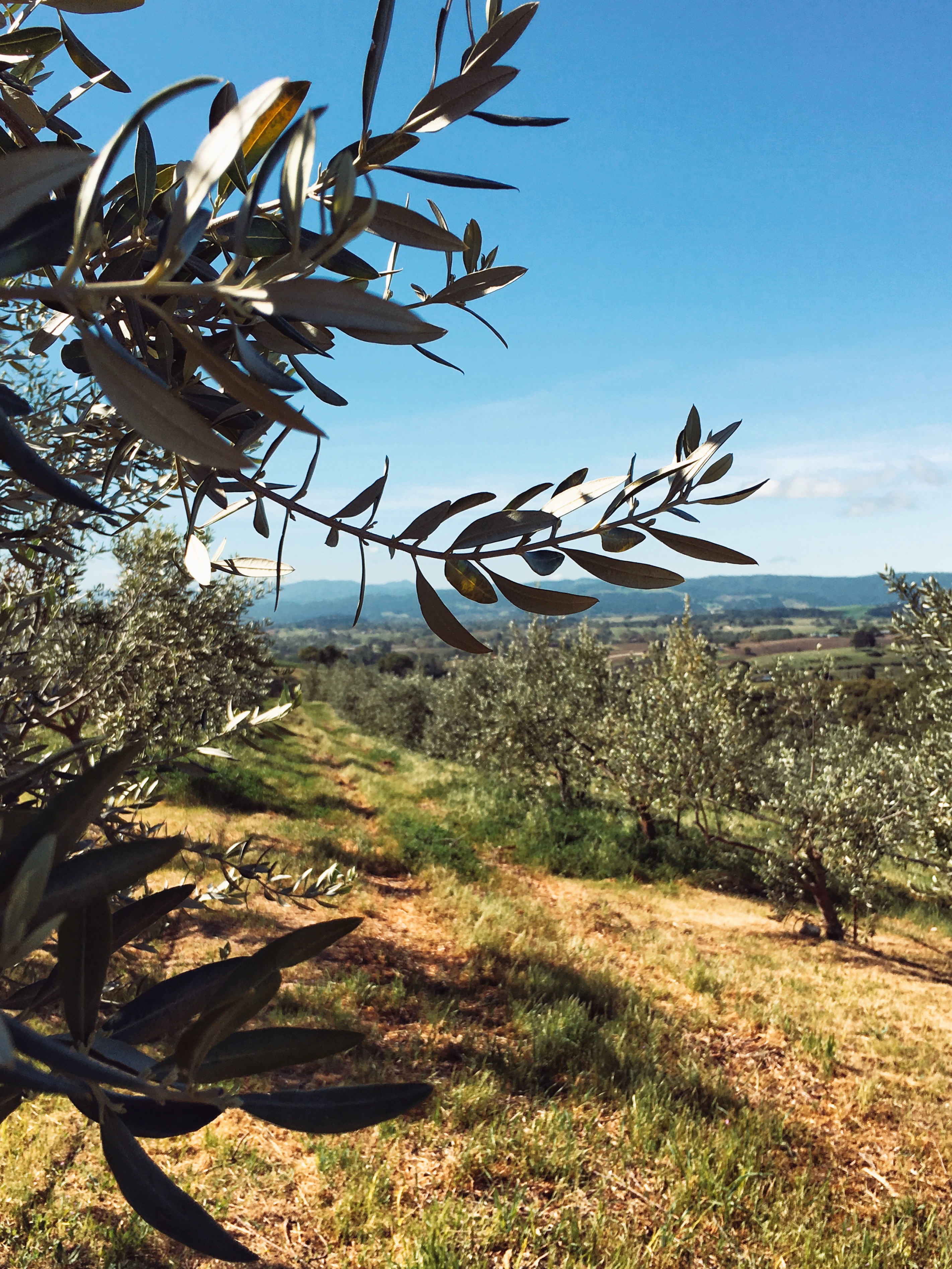
Not quite a forest, but I wouldn’t mind wandering through this olive grove for some R&R.
Photo: Kiler Ridge Farms, Paso Robles, California
*I’m published on Medium too. Read my beginner’s guide to visiting an art museum, or as I like to call it, creative stimulation.
**To be clear, Reiki was developed in the 1920s (compared to Shinrin-yoku, which the Japanese government designated “a thing” in the 1980s). And according to the International Association of Reiki Professionals, the practice was not meant to be affiliated with any one religion.
Connect with The Curious Passport
Keep up with my real-time travels and eats from San Diego and beyond on Instagram





 the curious passport